
Why Translation, Localization & Voice Matter in Socially Conscious Storytelling (and How They Drive Real Impact)
Marketing used to be defined by reaching the widest possible audience regardless of how that audience received your message.
Today’s audiences — especially values‑aligned and socially conscious ones — want to be understood in the language they speak, and the culture they live in. They expect brands to communicate with clarity, empathy, and relevance. Not with one‑size‑fits‑all text auto‑translated by a machine.
In purpose-driven work, copywriting, translation, localization, and voice aren’t separate services. They’re different expressions of the same responsibility: communicating with care. They work best as a single storytelling ecosystem, each shaping how meaning lands across cultures and contexts.
Let’s unpack what each means, why it matters, and how multilingual storytelling becomes a force for connection and impact.

Translation vs. Localization: What They Really Mean
Translation — the process of converting content from one language to another — is just the beginning. True multilingual communication ensures that the intent, tone, nuance, and cultural resonance of the original message survive the move from one language to another.
Localization goes further. It means adapting content so it feels native — from date formats and social references to cultural context and emotional meaning. A localized campaign doesn’t just translate words; it translates experience.
For instance: a phrase that feels uplifting in English might fall flat or carry unintended meaning in another language if cultural context isn’t respected. That’s why brands that localize, and not just translate, see better engagement and stronger trust in new markets.
Global Language Reality & Market Signals
The global language services market is enormous, and growing fast.
The global translation and localization market is projected to reach roughly $16.11 billion by 2035, growing at nearly 8% annually, reflecting increasing global demand.
More than 70% of translation companies report increased demand, as companies expand global touchpoints.
And even in digital consumer behavior data, the stakes are clear: up to 65% of online shoppers prefer content in their native language, and around 40% won’t make a purchase at all if content isn’t available in their language.
In other words: language isn’t just “nice to have.” It’s a barrier that prevents people from connecting, engaging, and converting when it isn’t accounted for.
This matters whether your audience is a community of customers, donors, members, or students. Whatever stories you tell, accessibility matters.
Localization Isn’t Optional. It’s Strategic

The impact of localization goes far beyond translation accuracy. Localized content can:
Boost conversion and engagement — localized websites and campaigns often outperform non‑localized versions significantly, sometimes by 50% or more in engagement and conversion metrics.
Improve customer trust and loyalty — people feel affirmed, valued, and respected when brands communicate in their own language.
Increase global reach — companies that expand beyond English‑only content unlock new markets and previously unreachable audiences.
Translation and localization are not barriers to entry. They are what make global participation possible.
Voice + Localization = Deeper Human Connection
Words on a page are one thing. Words spoken — with tone, cadence, and emotional context — are another.
Voice services encompass:
Bilingual voiceover for videos, podcasts, and ads
Narration for educational content, thought leadership, and storytelling projects
Audio localization that adapts tone and delivery for cultural expectations
A message read aloud in another language from a voice that feels human builds trust in ways text alone can’t. Tone carries emotion, rhythm conveys sincerity, and breath patterns signal authenticity, all of which are massive assets in mission‑oriented communication.
That’s why purpose‑driven brands that invest in voice — especially bilingual voice — are better able to connect person‑to‑person across languages.
The Multilingual ROI — Beyond Words
Investment in translation and localization isn’t just ethical — it’s strategic:
Content localized for specific audiences can increase customer retention, loyalty, and brand affinity
Localized campaigns often see higher conversion rates and shorter sales cycles than generic, untranslated ones.
Translation and localization are not transactional add‑ons — they’re growth accelerators.
Human + Machine: A Balanced Approach

AI tools have created incredible efficiencies in translation workflows.
But language is nuance, not just words: machine translation often needs human context, cultural insight, and editorial care to sound right and feel right for the audience.
That’s why a hybrid model — AI efficiency guided by human refinement — yields the strongest results for brand voice and cultural relevance.
Principles of Multilingual, Conscious Communication
When we think about strategic translation and localization for purpose‑driven brands, the same principles that guide good copy apply here too:
✧ Intention: Translate and adapt with purpose. Every sentence should serve connection, not obscurity.
✧ Empathy: Language is more than vocabulary. It’s culture, emotion, and context.
✧ Clarity: Don’t just translate word for word. Clarify without diluting meaning.
✧ Authenticity: Maintain the soul of your brand story in every language.
These principles ensure your message still feels like you no matter where it’s read or heard.
The Missed Opportunity When Language Is Ignored
When businesses treat translation as an afterthought — or rely only on generic machine output — they risk:
Miscommunication
Audience disengagement
Lost trust and weaker conversion
Missed international resonance
Language barriers don’t just block understanding. They block belonging.
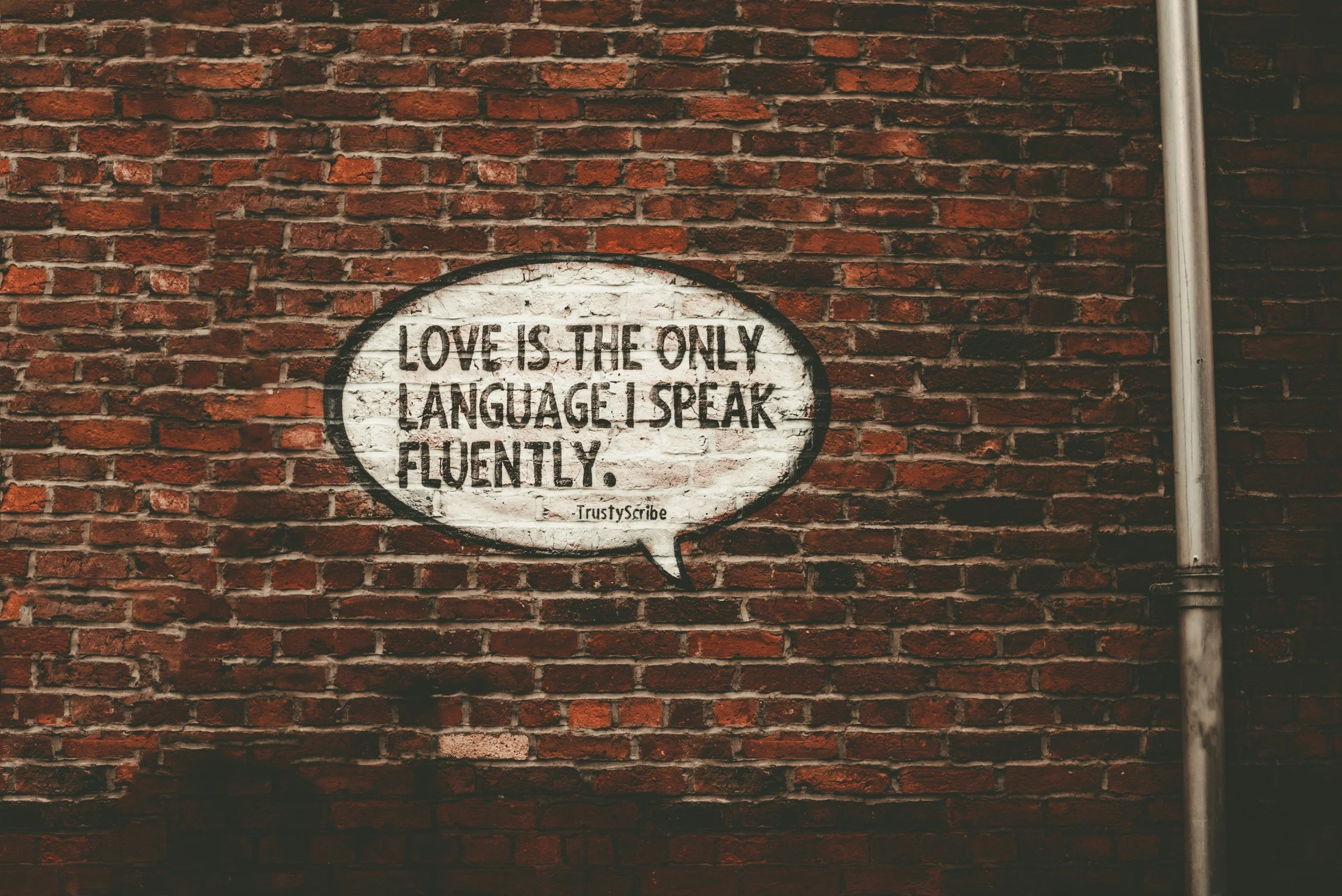
Amplify Your Impact: Tell Your Story Across Languages
Storytelling is powerful. Multilingual storytelling is transformative.
Whether you’re a social impact nonprofit, a purpose‑driven business, or a changemaking entrepreneur, prioritizing language goes beyond marketing. It demonstrates respect for your audience’s experience, identity, and context.
When your story travels with intention across languages and cultures, it doesn’t just carry meaning — it expands impact.
Because in a globally connected world, the brands that communicate with clarity, humility, and cultural fluency are the ones that resonate everywhere.
Purpose is universal. Your words should be, too. Ready to get started?
Translation, localization, and voice services are not luxuries. They’re essential tools for brands with global reach, inclusive intent, and mission‑driven stories worth sharing.
Click here to check out my free storytelling tools (no string attached or signup needed)
Click here to start your brand narrative and messaging framework
Click here for more about bilingual storytelling, translation, and voice services
Click here if you want to book a call to chat about a project
In the interest of ethics and transparency, this post was written in collaboration with ChatGPT. Most of the original words are mine, though AI helped me with research and wordsmithing. Post published January 2026.
